
Optimization and Performance Tracking: The Foundation of Scalable Marketing
In digital marketing, success is not defined by launching campaigns—it is defined by improving them. This is where Optimization and Performance Tracking becomes essential. Without tracking the right metrics and optimizing consistently, even the best strategies lose momentum.
Whether you run paid ads, SEO campaigns, or conversion funnels, understanding Optimization and Performance Tracking allows you to make informed decisions, reduce wasted spend, and scale results with confidence.
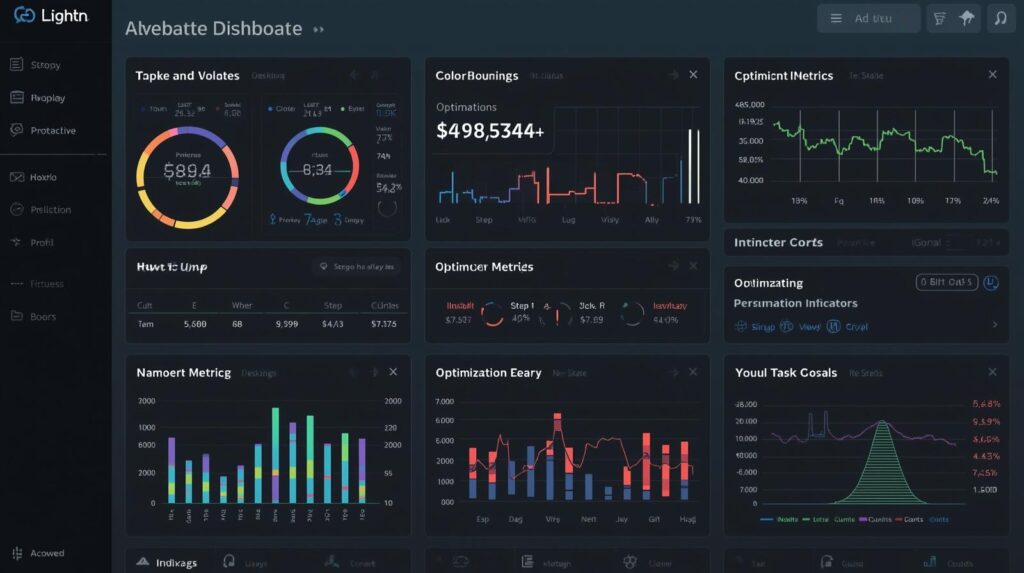
What Optimization and Performance Tracking Really Means
Optimization and Performance Tracking refers to the continuous process of measuring results, analyzing data, and making improvements based on real performance. Tracking tells you what is happening, while optimization tells you what to change.
Together, they form a feedback loop that improves efficiency, effectiveness, and profitability. This approach demonstrates experience and expertise, two critical pillars of the E-E-A-T framework.
Why Performance Tracking Is Critical for Growth
You cannot improve what you do not measure. Optimization and Performance Tracking helps marketers identify strengths, weaknesses, and growth opportunities across every channel.
Key benefits include:
Better budget allocation
Improved conversion rates
Reduced cost per acquisition
Accurate tracking builds trust in your data and decisions, strengthening long-term performance and credibility.
Key Metrics You Should Always Track
Choosing the right metrics is essential for effective Optimization and Performance Tracking. Vanity metrics may look good but rarely drive results.
Important metrics to monitor:
Click-through rate (CTR)
Conversion rate
Cost per conversion
Return on ad spend (ROAS)
Tracking these consistently helps establish authority in decision-making and ensures optimization efforts are grounded in reality.
Tools That Support Accurate Tracking
Reliable tools are the backbone of Optimization and Performance Tracking. Platforms like analytics dashboards, ad managers, and tracking pixels provide actionable insights when configured correctly.
Ensure:
Tracking codes are properly installed
Events are clearly defined
Data is verified regularly
Accurate setup reflects professionalism and trustworthiness—key elements of E-E-A-T.
Optimization Strategies That Actually Work
Optimization is not about constant changes—it is about smart changes. In Optimization and Performance Tracking, the goal is to improve performance without disrupting learning or stability.
Effective optimization methods include:
A/B testing creatives and headlines
Refining audience targeting
Improving landing page experience
Each change should be tested, measured, and documented to build repeatable success.
Aligning Optimization With Business Goals
Optimization without direction leads to confusion. Optimization and Performance Tracking works best when aligned with clear business objectives such as leads, sales, or retention.
When metrics reflect business goals, optimization becomes meaningful. This alignment strengthens expertise and helps stakeholders trust the strategy and outcomes.
Common Mistakes to Avoid in Performance Tracking
Many campaigns fail due to poor tracking habits. Understanding Optimization and Performance Tracking helps avoid costly errors.
Common mistakes include:
Tracking too many irrelevant metrics
Making changes without enough data
Ignoring trends and seasonality
Consistency and patience often outperform frequent, reactive adjustments
Using Data to Scale With Confidence
Scaling should only happen after stable performance is achieved. Optimization and Performance Tracking provides the clarity needed to scale without risking efficiency.
Look for:
Stable conversion costs
Predictable results
Strong engagement signals
Data-driven scaling builds authority, reduces risk, and supports sustainable growth.
Final Thoughts
Optimization and Performance Tracking is not a one-time task—it is an ongoing discipline. Brands that track accurately, optimize intelligently, and learn continuously outperform those that rely on assumptions.
By focusing on data, experience, and trustworthy processes, marketers can build campaigns that improve over time and deliver measurable success.